What should staff do when a customer or stranger becomes threatening?
The direct answer is: stay calm, create distance, use de escalation where it is safe, and alert a security contact or emergency services as soon as the risk becomes clear. If there is immediate danger, staff should prioritise getting themselves and others away, then call for help. A personal duress alarm can support that response by making an SOS or silent alert available when speaking openly would make the situation worse.
A threatening customer or stranger can change the mood of a workplace very quickly. The safest response is rarely a perfect script. It is a set of habits that help staff notice warning signs, avoid escalation, and get help early. In New Zealand workplaces where people may work alone or with limited backup, those habits need to be backed by a clear plan and a reliable way to call for assistance.
Notice the change before the threat peaks
Threats often build. A raised voice, repeated demands, personal insults, pacing, blocking a doorway, or refusing to leave can all signal that a situation is shifting from awkward to unsafe. A verbal threat may be obvious, such as a direct promise of harm. It may also be more general, aimed at a object, a colleague, or the business itself. Staff do not need to prove that someone will act violently before they take the concern seriously.
Threat assessment does not have to be complex. In the moment, it helps to ask a few practical questions: Is the person angry, impaired, armed, or moving closer? Are they preventing exit? Are other people nearby? Is the behaviour getting worse despite calm responses? If the answer to any of those is yes, the priority moves from conversation to safety.
Workplace culture matters here. Staff should not feel that calling for help is an overreaction or a sign that they failed to handle a difficult customer. A threat is not a customer service problem that needs more patience. It is a safety issue.
Use calm words, but do not try to win the argument
De escalation is about lowering the temperature, not agreeing with everything being said. A steady voice, short sentences, and an open posture can help. Staff can acknowledge the frustration without accepting abuse: "I can see you're upset. Let's slow this down so I can understand what you need." If the person is shouting, matching their volume usually makes things worse.
Give clear limits. For example: "I want to help, but I can't continue while you're threatening staff." If there is a policy about refusing service, removing someone from the area, or ending an interaction, staff should follow it. They should not bargain, argue about facts, or follow a person into a confined space to keep talking.
Body position is part of the message. Keep hands visible, avoid pointing, and leave a clear path to the exit. If more than one staff member is present, one person can speak while the other creates space, watches the exits, or contacts help. Trying to surround the person or touch them can increase risk, unless there is an immediate need to protect someone from harm and the organisation's procedures allow it.
Get help early
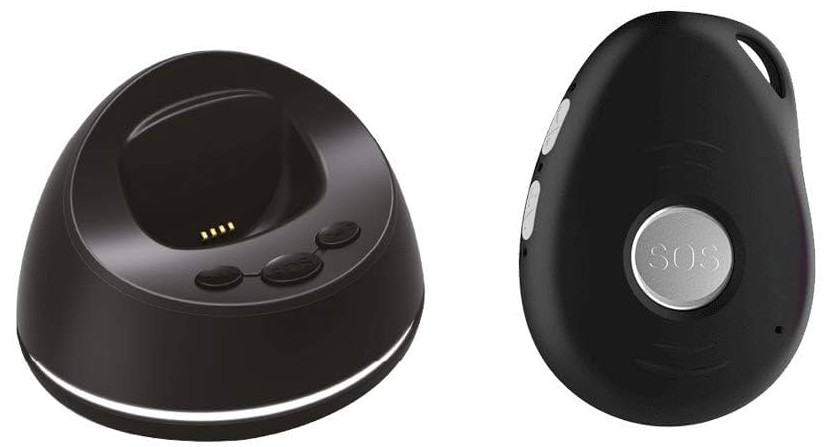
When a situation feels unsafe, staff should contact a security contact or supervisor as soon as they can do so without making the person more agitated. If the workplace has a duress system, the response plan should say when to use it and who receives the alert. A panic duress alarm may be useful where a visible phone call or loud verbal exchange could inflame the situation. The exact device and response process will vary, so staff need training on what their workplace uses.
Early help is not the same as panic. It gives another person a chance to intervene, call emergency services, check nearby areas, or meet the person at an exit. If the threat includes a weapon, physical movement toward staff, a threat to kill, or anyone being harmed, emergency services should be called. Local emergency numbers and workplace procedures should be easy to find, not stored only in a memory that may fail under stress.
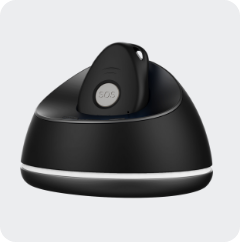
Where a personal duress alarm is part of lone worker safety arrangements, it should be treated as part of a wider system. An SOS feature, GPS location, two way voice, man down alerts, and fall detection alerts each serve a different purpose. A person may press an SOS during a confrontation. A fall detection alert may matter if someone is knocked down or becomes unwell. Two way voice can help a responder understand what is happening without relying on guesswork.
Practical actions during a confrontation
Staff should keep their movements predictable and unhurried. Sudden reaching, turning away without explanation, or crowding a person can be misread. If safe, move toward an open, public area where other people can see what is happening. Avoid back rooms, storage areas, lifts, or stairwells unless there is no safer route. A locked door can offer short term distance, but it should not replace calling for help.
If there are customers or visitors nearby, staff can ask them to move away using a calm, direct instruction. The aim is to reduce the number of people exposed and keep exits clear. A colleague should not stand between an aggressive person and the target of the threat unless they have been trained and the risk is manageable.
If the person leaves, staff should not chase them. Note what happened, which direction they went, and any details that may help a security contact or police. If the person remains but stops escalating, staff can set a clear next step, such as ending the transaction, asking them to leave, or moving the conversation to a safer area with another staff member present.
After the incident
The response does not end when the person walks away. Staff may be shaken, angry, or unsure whether they did the right thing. A short debrief with a supervisor or security contact can help separate what happened from what could have happened. It also gives the workplace a chance to check whether alerts were received, whether response times were workable, and whether equipment was accessible.
An incident report should be completed while details are fresh. It can cover the words used, the person's behaviour, where the event occurred, who was present, what staff said, what alerts were activated, and whether anyone was injured. Facts are more useful than labels. "The person moved closer and shouted at the counter" is clearer than simply writing "aggressive customer".
Review any warning signs that were missed. Was the person isolated with a staff member? Was the exit blocked? Did the team know who to call? Were devices charged, carried, or within reach? These questions are practical, not blameful. They help turn a frightening event into a safer procedure for next time.

Building a plan before it is needed
Good preparation is simple and repeated. Staff need to know what behaviour triggers an alert, how to call for help, where they can go to create distance, and what authority they have to stop an interaction. New or casual staff should not be left to guess. Clear signage, short briefings, and regular practice make the response more familiar.
- Set clear thresholds for when staff should call a security contact or emergency services.
- Confirm how the workplace duress system works and who responds to an alert.
- Keep emergency numbers and incident reporting steps easy to access.
- Agree on safe areas, exit routes, and what staff should do if an exit is blocked.
- Review each incident report for changes to procedures or training.
The best response to a threatening person is layered. Calm communication may reduce tension, distance may prevent harm, and a fast alert may bring help before the situation worsens. Staff should not have to choose between handling the moment and calling for support. With clear procedures and a suitable personal duress alarm where needed, those actions can work together.